Tinubu Set to Visit Akwa Ibom and Rivers for Project Commissionings, APC Rallies
President Bola Tinubu will visit Akwa Ibom and Rivers states from Friday to launch government projects and join APC rallies, according to presidential aides.

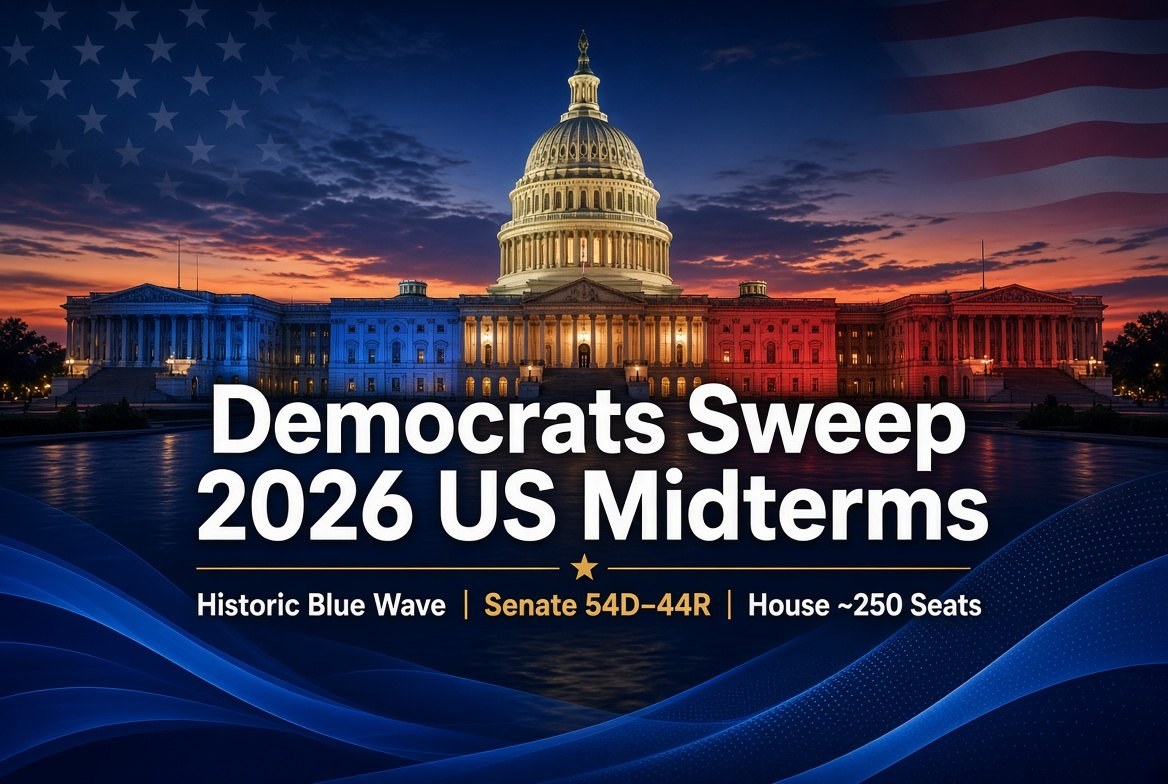
On November 3, 2026, American voters delivered a decisive midterm rebuke to President Donald Trump and the Republican Party. Democrats won control of both the US Senate and the House of Representatives, ending the Republican trifecta that began after the 2024 elections. Results were still being finalized as of early November 6, with a few races uncalled, but the overall outcome was clear: a broad Democratic wave that flipped seats in traditionally Republican strongholds.
Senate Results: Democrats Gain Majority with 54 Seats The US Senate has 100 seats; 51 are needed for a majority (or 50 with the Vice President’s tie-breaking vote). Roughly one-third of seats are contested every two years.
Before 2026 (after the 2024 elections): Republicans held 53 seats; Democrats held 45, plus 2 independents who caucused with them (effective Democratic total of 47). Republicans controlled the chamber.
After 2026: Democrats (including the 2 independents) hold 54 seats (+7); Republicans hold 44 (−7). About 33 of 35 contested races had been called, with Alaska and Mississippi still unresolved in some trackers. Democrats needed a net gain of four seats to take control and exceeded that target.
Key Senate flips and locations: - Texas: James Talarico (D) defeated Ken Paxton (R). First Democratic senator from Texas since 1988; first statewide Democratic win in decades. Talarico’s margin was reported around 12 points. - Kansas: Adam Hamilton (D) defeated incumbent Roger Marshall (R). First Democratic US senator from Kansas since 1932. - Iowa: Josh Turek (D) defeated Ashley Hinson (R). - Ohio: Sherrod Brown (D) defeated Jon Husted (R). - South Carolina: Annie Andrews (D) defeated the Republican candidate in a major upset. - North Carolina: Roy Cooper (D) won an open seat. - Maine: Troy Jackson (D) defeated longtime incumbent Susan Collins (R). - Michigan: Abdul El-Sayed (D) won, becoming the first Muslim elected to the US Senate.
Other Democratic holds included Georgia (Jon Ossoff) and New Hampshire (Chris Pappas, the first openly gay man elected to the Senate). Republicans held seats in states such as Florida and Nebraska but lost ground across the map. No major Democratic-held seats flipped to Republicans.
House of Representatives: Democrats Take Large Majority All 435 House seats were on the ballot. A party needs 218 for a majority.
Before 2026: Republicans held 220 seats; Democrats held 215 (narrow Republican majority after 2024).
After 2026: Democrats hold approximately 249–253 seats (net gain of roughly +36 to +41); Republicans hold about 156–157. Over 400 of 435 races had been called in major trackers. Democrats secured control early and are projected to hold one of their largest House majorities in nearly 20 years.
Republicans failed to flip a single Democratic-held House seat in many early tallies, while Democrats picked up districts even in areas that supported Trump strongly in 2024. The popular-vote margin for Democrats in the House was described as the largest since 1976.
Governors and Other Races Governorships were contested in 36 states.
Before: Each party held 18 of the contested governorships. After: Democrats hold about 28 governorships (+5); Republicans hold about 20 (−5). Democrats now control a majority of US governorships for the first time since 2010.
Notable results: - Texas: Gina Hinojosa (D) defeated three-term Republican Governor Greg Abbott. First Democratic governor of Texas since the mid-1990s and the state’s first Latina governor. - Georgia: Keisha Lance Bottoms (D) won, becoming the first Black woman elected governor of a US state.
Additional Democratic gains occurred in Iowa, Ohio, Nevada, and elsewhere. Democrats also made gains in state legislatures.
Why It Happened and What It Means Reporting across outlets pointed to voter frustration over high costs of living, the effects of the US-Iran conflict on prices, and a desire for greater checks on the Trump administration. Turnout was high. Trump accepted the results, while Republicans began internal debates about the scale of the losses.
The new Congress convenes in January 2027. Democrats will control the legislative agenda, oversight of the executive branch, and confirmation processes for the remainder of Trump’s term. Divided government is likely to produce more gridlock on major legislation. The results also reshape the early landscape for the 2028 presidential race.
Sources: Reuters / The Guardian
← More Politics stories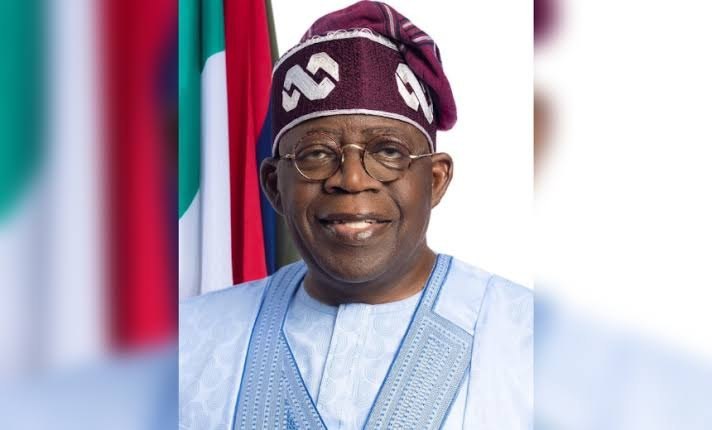
President Bola Tinubu will visit Akwa Ibom and Rivers states from Friday to launch government projects and join APC rallies, according to presidential aides.

A panel set up by the Owa Obokun of Ijesaland has urged Osun residents to use alternative dispute resolution for land and chieftaincy cases.
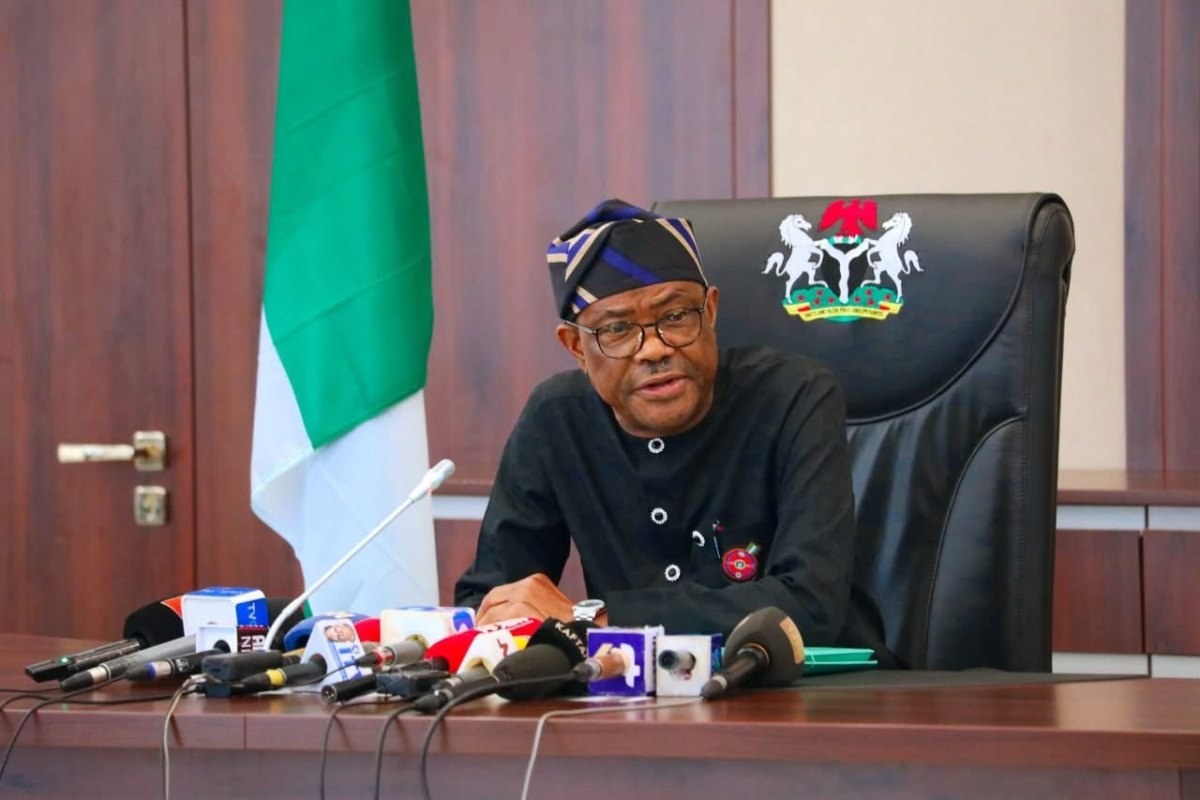
FCT Minister Nyesom Wike has defended high billboard fees in Abuja, stating that politics is expensive globally and the money will fund local infrastructure.
Nigeria's trending news, politics and entertainment, straight to your email.
By subscribing you agree to our Privacy Policy. Unsubscribe any time.